
Resources
Pezego domain knowledge base
8 June 2025
A structured, machine-readable knowledge base that underpins Pezego's large language model for Integrated Pest Management.
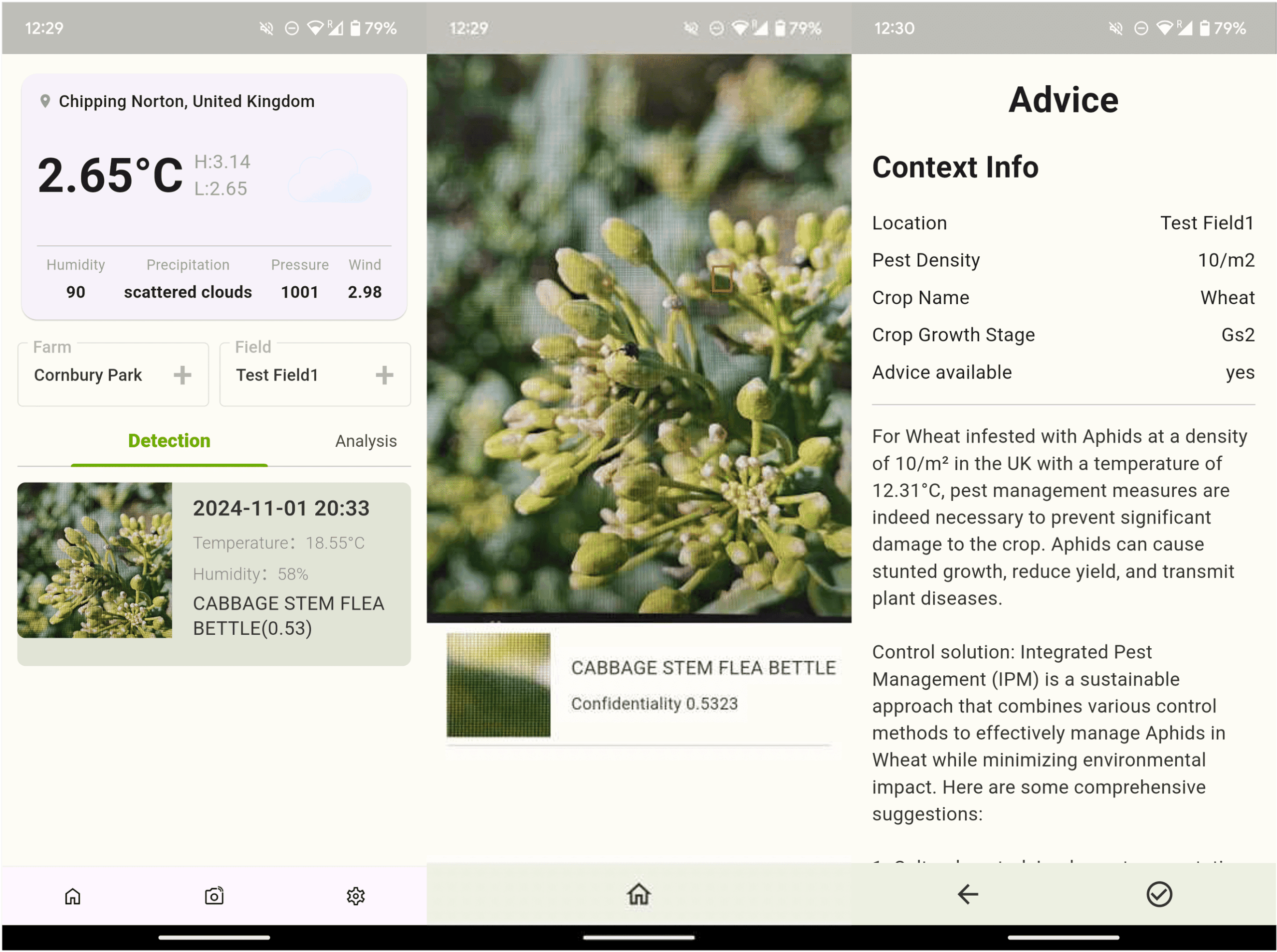
A robust and carefully structured domain knowledge base sits at the heart of Pezego’s large language model (LLM) for Integrated Pest Management (IPM). It is designed to support UK agricultural professionals with data-driven, environmentally responsible pest management guidance, translating agricultural intelligence into actionable insights.
The architecture of agricultural intelligence
Pezego’s domain knowledge base is a systematically organised repository of expert knowledge relevant to UK agriculture. It is not a flat data file but a structured digital resource designed for use by an LLM. Key components include:
- Core pest encyclopaedia. Drawing significantly on authoritative sources such as the Agriculture and Horticulture Development Board (AHDB) encyclopaedia, this module covers pest biology, life cycles, affected crops, management options (cultural, biological and chemical), insecticide resistance patterns and economic thresholds for intervention.
- Specialised crop modules. Dedicated modules — for example for potatoes — provide pest management context tailored to the agronomic specifics of individual crops.
- Research-driven insights. The knowledge base draws on UK agricultural research outputs, including review papers covering biological control agents and crop growth-stage-specific pest management actions.
The data is primarily encoded in JSON, chosen for its lightweight nature, readability and machine usability. This supports integration with the Pezego LLM and lets us represent complex relationships between pests, crops, environment and management options in a structured way.
Enabling AI-enabled IPM
The knowledge base provides the intelligence layer for Pezego’s LLM. It allows the model to:
- Perform nuanced analyses of pest-related risk by accessing detailed pest profiles, crop vulnerabilities and information on management effectiveness.
- Generate context-specific recommendations that account for the pest identified, the affected crop, current growth stage, local environmental conditions, economic viability and the principles of sustainable agriculture.
- Support proactive decision-making by giving users timely, actionable guidance that helps move beyond reactive treatments.
Supporting research and sustainable practice
The knowledge base actively supports the development of IPM strategies and sustainable agriculture by enabling:
- Integrated programmes that, where appropriate, prioritise non-chemical methods and reduce reliance on broad-spectrum pesticides.
- Environmental stewardship through biological controls, cultural practices and targeted interventions that aim to limit ecological disruption.
- Continuous improvement of Pezego itself, as the knowledge base is regularly enriched with new peer-reviewed research, updated resistance information and emerging best practice.
Commitment to transparency
The structure of the Pezego knowledge base — illustrated by accessible data schemas — provides insight into the foundational data informing the LLM’s outputs. This is a living resource rather than a static archive: it is regularly enriched with new peer-reviewed research and field intelligence.
Sample data
A sample dataset illustrating the structure and scope of the knowledge base is available. Please contact us for access.