
Case study · Arable · Winter wheat
Yorkshire estate — one-season Smart Planning pilot
Annual Prediction, N-rate sensitivity and Farm Tasks across 280 ha of winter wheat
Modules used
- Parallel Farm Smart Planning
- Annual Prediction
- N Calculator (RB209 V08)
- Farm Tasks
- NDVI Analysis
Outcomes at a glance
- Fields covered
- 12 fields · 280 ha
- Nitrogen rate change
- −8 to −14% vs farm standard
- Yield vs target
- Within ±5% of target yield
- Plan compliance
- 92% of recommendations applied on-time
- Environmental performance
- Operating record packaged for partner review
Single winter-wheat rotation
Illustrative range; subject to soil-specific recalibration
Across the field portfolio
Tracked via Farm Tasks completion timestamps
No self-issued MRV; DA-Mamba N₂O estimates included as context only
Template / illustrative. This is a structural case study showing how a real Mutus Tech pilot would be written up. Numbers shown are illustrative ranges based on platform behaviour, not from a single published pilot. A real, named case study will replace this template after partner sign-off.
Background
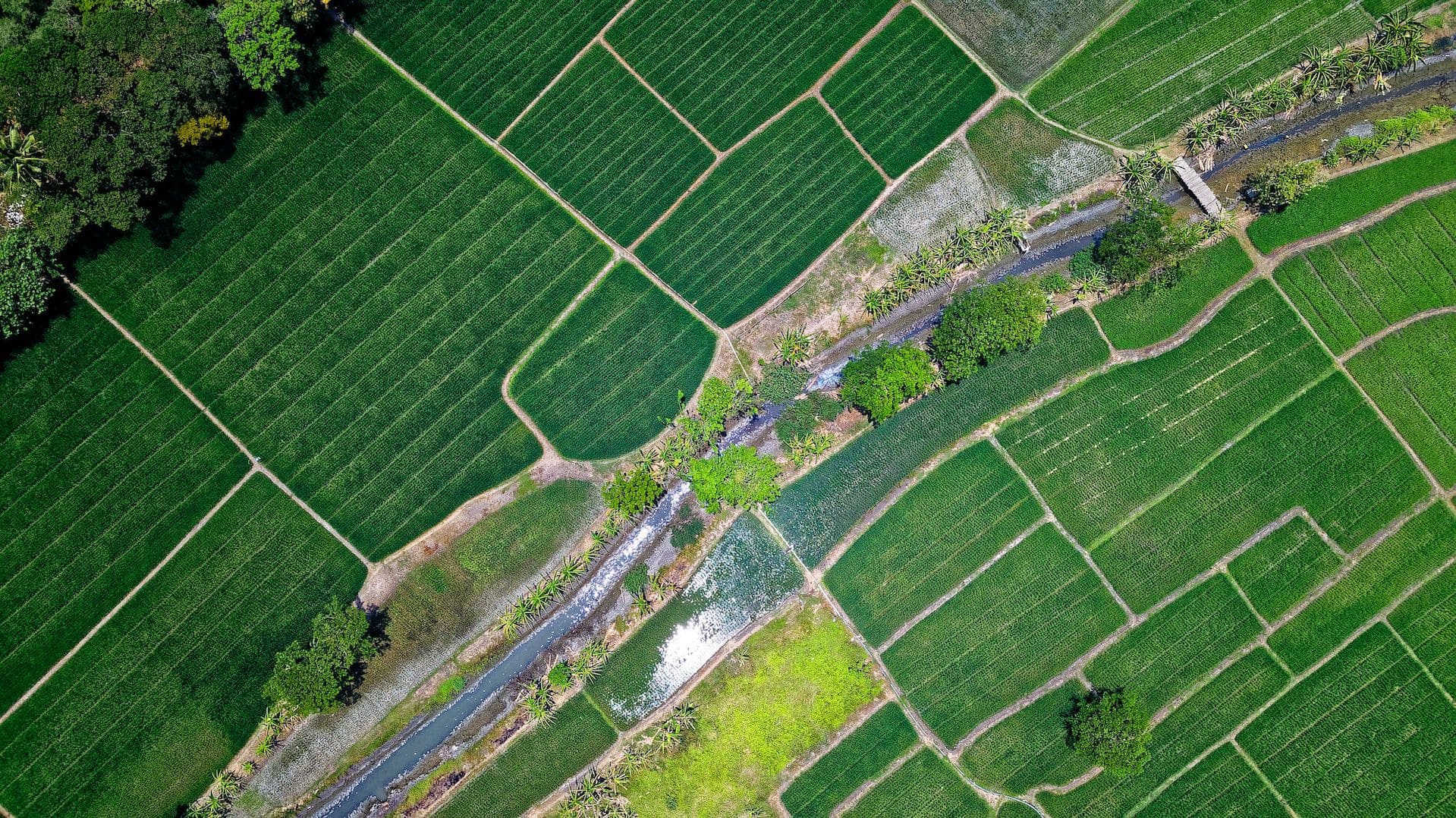
The estate manages around 280 hectares of arable land across 12 fields in the North Yorkshire region, in a continuous winter-wheat rotation with occasional break crops. The 2025 season was a pilot of Mutus Tech’s Smart Planning module, with the goals of:
- Reducing nitrogen variability across fields by anchoring rates to AHDB RB209 (V08) rather than a blanket farm standard
- Capturing applied-input records cleanly enough to support a future supply-chain conversation
- Trialling NDVI Analysis as a within-season check on plan compliance
The setup
In Week 0 (June 2024), the estate manager and lead agronomist had a 30-minute discovery call with the Mutus Tech team. Existing soil chemistry (P, K, Mg, organic matter, pH), field boundaries (KML export), the previous three-year yield record and the planned 2025 cropping plan were shared.
In Weeks 1–2, the Mutus team set up the estate’s Parallel Farm workspace:
- 12 fields imported, soil profiles attached, climate baseline pulled from the regional ERA5-derived dataset
- First Annual Fertiliser Prediction generated per field, reviewed with the agronomist before being approved
- NDVI baseline pulled for the field portfolio (Sentinel-2, every ~5 days subject to cloud cover)
The agronomist remained in the loop throughout. Mutus’s role was decision support, not replacement.
Through the season
The 12-month NPKS plan was published into the Farm Tasks queue at the start of the cereal year. Each task carried the field polygon, recommended rate, peak application month and assigned operator.
As fertiliser prices moved during the season, the N Calculator was used three times to recheck the economic sensitivity of the recommended N rate. On one occasion the recheck supported a 7 kg/ha reduction; the agronomist signed off and the adjusted Farm Tasks were re-issued.
Field operators logged applied inputs on the mobile app, attaching photos and a weather snapshot. NDVI Analysis flagged one field with a lower-than-expected response in May; investigation traced this to a localised drainage issue, addressed for the following season.
What was delivered
At the end of the season, the estate received:
- A season-end report consolidating recommended rate, adjusted rate, applied rate and completion timestamps for every field
- An NDVI timeline per field with seasonal commentary
- A partner-ready evidence pack suitable for an agronomy adviser, an Innovate UK reporting requirement or a future supply-chain conversation
- A Carbon Footprint estimate per field, explicitly framed as environmental-performance estimation (not self-issued MRV)
What the engagement was not
In honest terms: this engagement did not “deliver” a guaranteed yield improvement or a certified carbon-credit outcome. UK fertiliser response in any given season depends on weather, soil and management; Mutus’s role is to put the recommendation, the action and the response on the same record so that next season’s plan can be measurably better than this season’s.
Plan for the next season
The 2026 plan adjusts:
- Field with the May NDVI dip — drainage work planned over the winter
- Two fields with consistent out-performance — N rate held; tested for protein-quality response
- One field added to the workspace (newly leased)
The estate elected to continue with Parallel Farm for the 2026 season.